Parental Ageing and the Tender Work of Change
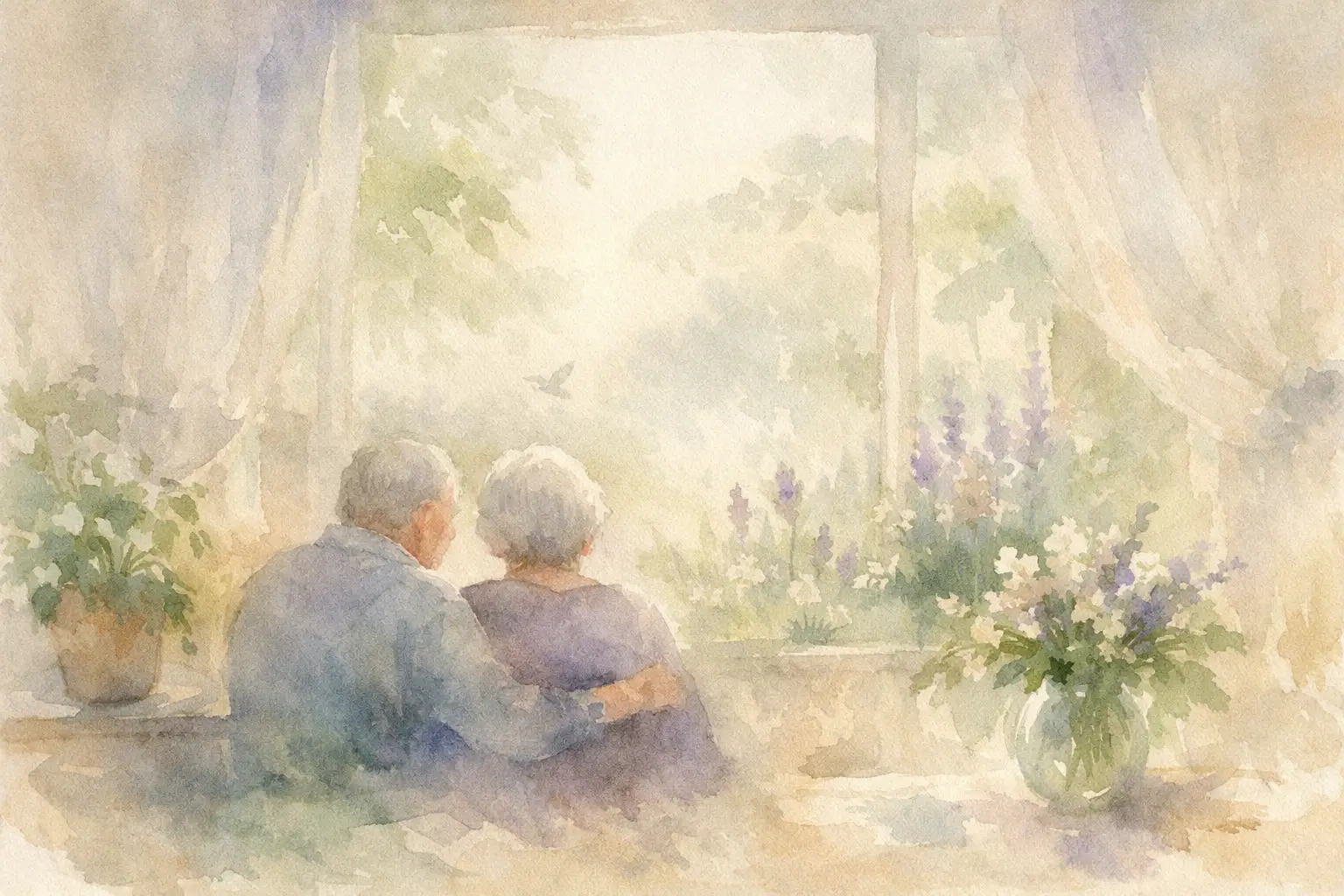
There may be a moment when parental aging becomes impossible to hold at the edges of your awareness. It can arrive in a changed voice on the phone, a home that suddenly needs more tending, or a familiar parent asking you to take the lead. The shift is rarely one clean event. More often, it is a thousand small recognitions that gather quietly until you realize your role in the family has changed.
Love is still present in this season, often in abundance. So are fatigue, fear, tenderness, irritation, and a grief that may not have a clear name. You may feel grateful for time together while mourning the ease you once shared. You may long for your parent to let you help, then resent how much help is needed. These feelings can live side by side. A space held with love has room for all of them.
Parental Aging Changes the Family Story
For much of life, our parents can feel like the steady background of our own becoming. Even imperfect parents often occupy a familiar place in the inner landscape: the person you call, the one whose habits you can predict, the keeper of stories from before you existed. As they age, that familiar ground may begin to move.
Role reversal can be particularly disorienting because it reaches beyond practical tasks. You may find yourself noticing whether they have eaten, remembering appointments, organizing a room, repeating information, or making the call they would once have made for you. Each act may be small, yet together they ask you to see your parent differently. They also ask you to see yourself differently.
There is no single right way to meet that change. Some families speak openly, while others circle around what everyone can feel but no one knows how to say. Some parents welcome help with relief; others protect independence fiercely. Their resistance may come from fear, pride, identity, or a lifetime of being the capable one. Your wish to help can be deeply loving and still land as a loss for them.
Gentleness does not require pretending these conversations are easy. It can sound like, “I want to understand what feels most supportive to you,” or, “I know this is different from how things used to be for us.” A slower conversation may offer more dignity than arriving with a plan already formed.
The Grief That Begins Before Goodbye
Anticipatory grief is one of the quieter companions of parental aging. It may appear while your parent is beside you at the kitchen table, while you sort through old photographs, or after a visit that leaves you unsettled for reasons you cannot explain. You are grieving changes already here and changes you sense may be ahead.
This grief does not mean you have abandoned hope or failed to appreciate the present. Grieving your parents while they are still alive makes you human, and it does not mean you are a bad son or daughter. Sometimes grief is simply love noticing that time is finite.
Rather than demanding certainty from yourself, try giving your feelings a place to land. A journal can hold the thoughts that feel too tender for casual conversation. You might write about what you miss, even if the person you miss is sitting nearby. You might record a story they told for the hundredth time, not because you need to preserve everything perfectly, but because listening can become a form of presence.
A simple prompt for an especially full day is: What changed today, and what remained? Perhaps your parent needed more from you than before. Perhaps they still laughed at the same joke, reached for the same blanket, or knew exactly how you took your tea. Change deserves acknowledgment, but so does continuity. Both are part of the truth.
Care Can Be Devotion and Weariness at Once
Caregiving is often described through duty, logistics, and endless lists. Those realities are real. Yet care also has an interior life: the emotional labor of watching closely, deciding constantly, and carrying concerns that others may not see. You may leave a visit feeling depleted by the practical work, then feel guilty for wanting quiet. You may be devoted to your parent and still need distance from the intensity of the role.
This is where honest language matters. Instead of asking yourself whether you should be more patient, try asking what kind of support would make patience more possible. That support might be sharing a responsibility with a sibling, telling a trusted friend the unedited version of your week, or making one part of the day less demanding where you can. Relief does not erase devotion. Rest can help you return to the relationship with more room inside yourself.
Small rituals can offer steadiness when life feels shaped by other people’s needs. Before you enter your parent’s home, pause in the car for three slow breaths and place a hand over your heart. When you return home, change clothes, wash your hands, make tea, or step outside for five minutes. These gestures do not solve the hard parts. They create a threshold, reminding your body that you are allowed to arrive and leave with care.
If prayer, meditation, or meaningful music belongs to your life, let it accompany you without turning it into another task. A familiar song during the drive home can become a small vessel for what words cannot carry. You do not have to make every moment profound. Often, the sacredness of this season is found in ordinary repetition.
Conversations That Protect Connection
As needs change, conversations can become charged quickly. A parent may hear concern as criticism. An adult child may hear refusal as rejection. Behind the surface tension, both people may be trying to protect something precious: autonomy, safety, dignity, closeness, or the right to be seen as capable.
Begin with the relationship when possible. Before moving into a practical topic, make room for the human exchange. Ask about a memory. Sit together without an agenda. Notice what they still enjoy choosing for themselves. This does not mean avoiding necessary conversations. It means remembering that the person in front of you is more than the help they need.
It can also help to use language that leaves space. “Would you be open to talking about this?” often invites more connection than “You need to.” “What feels manageable to you?” can reveal a path you had not considered. There will be times when no phrasing creates immediate agreement, and that can be painful. Your task is not to control every outcome. It is to keep returning, where you can, to respect and clarity.
When old family patterns rise to the surface, take notice without blaming yourself. Parental aging can awaken the child part of you that still wants approval, protection, or an apology. You may be caring for the person who once hurt you, or trying to help someone who has never known how to receive care. Love can be complicated by history. Making room for that complexity can keep you from demanding a simpler story than your family can honestly offer.
Let the Present Be Small Enough to Hold
The future has a way of pulling caregivers far ahead of themselves. Your mind may rehearse every possible change, every unanswered question, every thing that could become harder. Planning has its place, yet constant vigilance can steal the hour you actually have.
Bring your attention back to what is here. Share a piece of fruit. Fold towels together. Ask your parent about the first home they remember. Sit in companionable silence. Take a photograph of their hands beside yours, if that feels right. These are not minor moments. They are the texture of a relationship continuing in a new form.
You are allowed to feel the ache of parental aging without making that ache the only thing you see. There may still be humor, beauty, exasperation, and unexpected intimacy. Some days will ask for more than you believe you have. On those days, let one gentle action be enough: send the message, make the visit, tell the truth in your journal, or simply sit beside what hurts without rushing to explain it.
Love is an active practice, but it was never meant to require your disappearance. As you care for a parent through change, keep a small place within your own life warm and lit. Return to it often. You are in the right place to meet this season one tender, imperfect day at a time.