Caregiver Grief Before Death Is Real
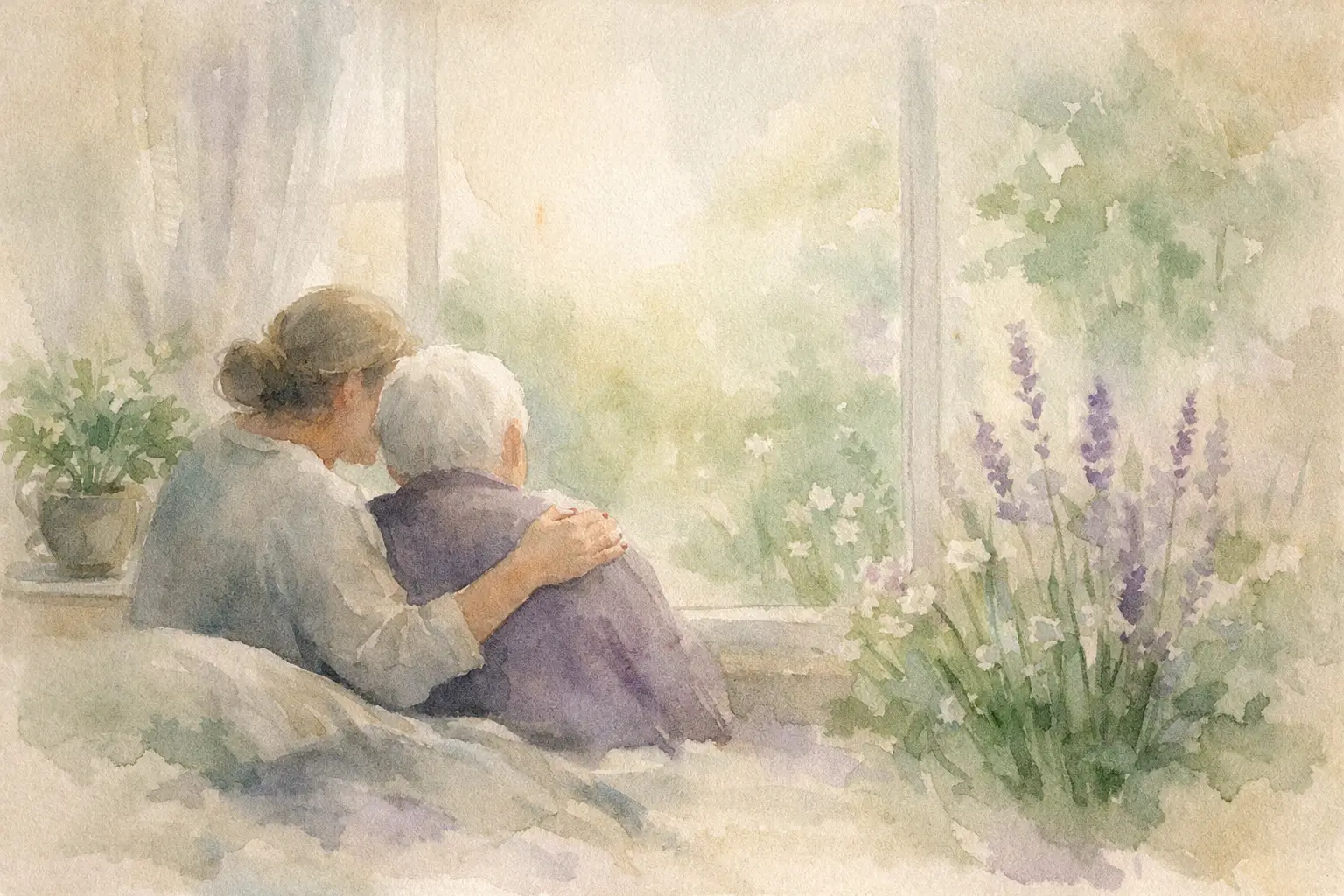
Some losses begin long before a funeral. They begin when your parent forgets the story they used to tell by heart, when their body becomes less steady, when your role quietly changes from daughter or son to helper, advocate, witness. Caregiver grief before death lives in these moments. It can arrive while your loved one is still here, still breathing, still needing you, and that is part of what makes it so hard to name.
Many caregivers feel confused by this grief. They wonder whether they are being dramatic, disloyal, or ungrateful for the time that remains. But grief does not wait for official permission. When someone you love is changing in ways you cannot stop, your heart often begins mourning while your hands are still busy with daily care.
What caregiver grief before death really feels like
This kind of grief is often called anticipatory grief, but that phrase can sound clinical and far away from the lived experience of making meals, managing medications, and sitting in waiting rooms. Caregiver grief before death is more intimate than a term. It is the ache of loving someone through decline while trying to stay present enough to keep going.
Sometimes it feels sharp and obvious. You might cry after a doctor appointment or feel a wave of sadness when you hear your parent ask the same question for the fifth time. Other times it is quieter. It can look like irritability, numbness, brain fog, resentment, guilt, or a strange sense of detachment from your own life. Grief does not always announce itself as sorrow. Sometimes it appears as exhaustion that sleep does not fix.
There is also a particular loneliness in grieving someone who is still alive. Friends may not understand why you are sad if your loved one is still here. Family members may focus only on logistics. Even you may minimize what is happening because the practical demands feel more urgent than your inner world. Yet the emotional reality remains. You are witnessing small endings over and over again.
Why this grief can feel so complicated
Part of the pain comes from ambiguity. Your loved one is both here and not here in the way they once were. You may still be able to hold their hand, cook their favorite soup, or hear their voice, but some part of the relationship has already shifted. Maybe they no longer remember your birthday. Maybe they cannot offer the comfort they once gave so freely. Maybe the person who raised you now depends on you for nearly everything.
That role reversal can stir up old family patterns alongside new tenderness. If your relationship has always been close, caregiving may feel sacred and heartbreaking at once. If the relationship has been strained, grief may come mixed with anger, unfinished longing, or the painful hope that things might somehow still heal. Love can be present without simplicity.
There is also the moral pressure caregivers often place on themselves. You may tell yourself to be grateful, patient, and strong every minute. Then, when grief shows up as frustration or the wish for one uninterrupted afternoon alone, shame rushes in. But needing space does not mean you love less. It means you are human, carrying more than most people can see.
Signs you may be carrying caregiver grief before death
Not everyone experiences this grief in the same way, and it can shift from week to week. Still, there are common signs. You may find yourself mourning abilities your loved one has lost, replaying memories of who they used to be, or feeling startled by how quickly time seems to be changing them. You may also feel suspended, as if life is on hold and you cannot fully plan for the future or rest in the present.
For some people, the grief shows up in the body first. Tightness in the chest, trouble sleeping, appetite changes, headaches, and a low-level sense of dread are all common. For others, the emotional signs are more obvious. You may cry unexpectedly, feel numb during moments that should matter, or become unusually sensitive to ordinary stress.
If this is happening to you, it does not mean you are coping badly. It may mean your body and spirit are responding honestly to prolonged uncertainty and ongoing loss.
How to make space for grief while caregiving
You do not need a perfect healing routine. Most caregivers do not have the time or energy for anything elaborate. What helps is creating small spaces where your grief can exist without being judged or rushed away.
Start by giving it language. You might say to yourself, I am grieving and caregiving at the same time. That sentence alone can soften the inner conflict. It tells the truth. It allows your love and your sorrow to belong in the same room.
Gentle rituals can help because they give form to feelings that otherwise spill everywhere. That might look like lighting a candle before bed, writing down one thing that changed and one thing that remained, or taking five quiet minutes in your car before walking back into the house. These are not dramatic gestures. They are small acts of witness. They remind you that your emotional life matters too.
It also helps to stop asking yourself to feel one pure emotion. Caregiving often includes devotion, tenderness, boredom, grief, gratitude, anger, and deep fatigue, all in the same day. If you wait until your feelings make sense, you may stay stuck in self-judgment. A more compassionate question is, what do I need right now to stay honest and steady?
Sometimes the answer is rest. Sometimes it is calling a friend who can listen without fixing. Sometimes it is stepping outside and letting yourself cry for three minutes before returning to the next task. Small relief counts.
What support can look like in real life
Support is not always grand. It may be someone bringing dinner, sitting with your parent while you take a walk, or texting you after an appointment to ask how it really went. The most nourishing support often makes room for complexity instead of offering silver-lining language.
If you are asking for help, be specific when you can. People may care deeply and still not know what would lighten your load. You might need practical help, emotional companionship, or both. The season you are in may change what support feels useful, and that is normal.
Professional support can matter too, especially when grief begins to tip into depression, panic, or a level of depletion that feels unmanageable. A therapist, grief counselor, faith leader, or support group can offer language and steadiness when your own reserves are thin. There is strength in being accompanied.
For some caregivers, reflective tools also become a quiet kind of support. A journal beside the bed, a few meaningful prompts, or a ritual object in the home can create a space held with love. That kind of care may seem small from the outside, yet it can help you feel less erased inside your own life.
When guilt enters the room
Guilt is one of caregiving's most persistent companions. You may feel guilty for grieving too soon, for wanting a break, for being impatient, or for imagining life after this chapter ends. You may even feel guilty when you experience moments of joy.
Guilt often grows where there is love and impossible responsibility. It tells you that if you were better, calmer, more generous, this would all hurt less. But caregiving is not a test you pass by abandoning your own needs. Love does not become more sacred when it destroys the person giving it.
When guilt rises, it can help to answer it gently. You are doing something very hard. You are allowed to be tired. You are allowed to miss who your loved one used to be. You are allowed to need care while offering care.
That permission may need repeating. Some truths only settle after being spoken many times.
Caregiver grief before death needs witness, not silence
One of the hardest parts of this experience is how invisible it can be. There may be no ceremony, no formal acknowledgment, no clear moment when others gather around your pain. Yet caregiver grief before death is real grief. It deserves witness.
If you are living inside this tender, disorienting season, you are not failing because your heart is breaking before the end. You are responding to love, change, and helplessness all at once. That is a profoundly human response.
At wearelovewins, we believe some seasons ask less for solutions and more for companionship, language, and small rituals that help you stay close to yourself. This may be one of those seasons.
So if all you can do today is name your grief and place one hand on your own heart, let that be enough. Love is still here, even now, and so are you.