Caregiver Burnout Emotional Symptoms to Notice
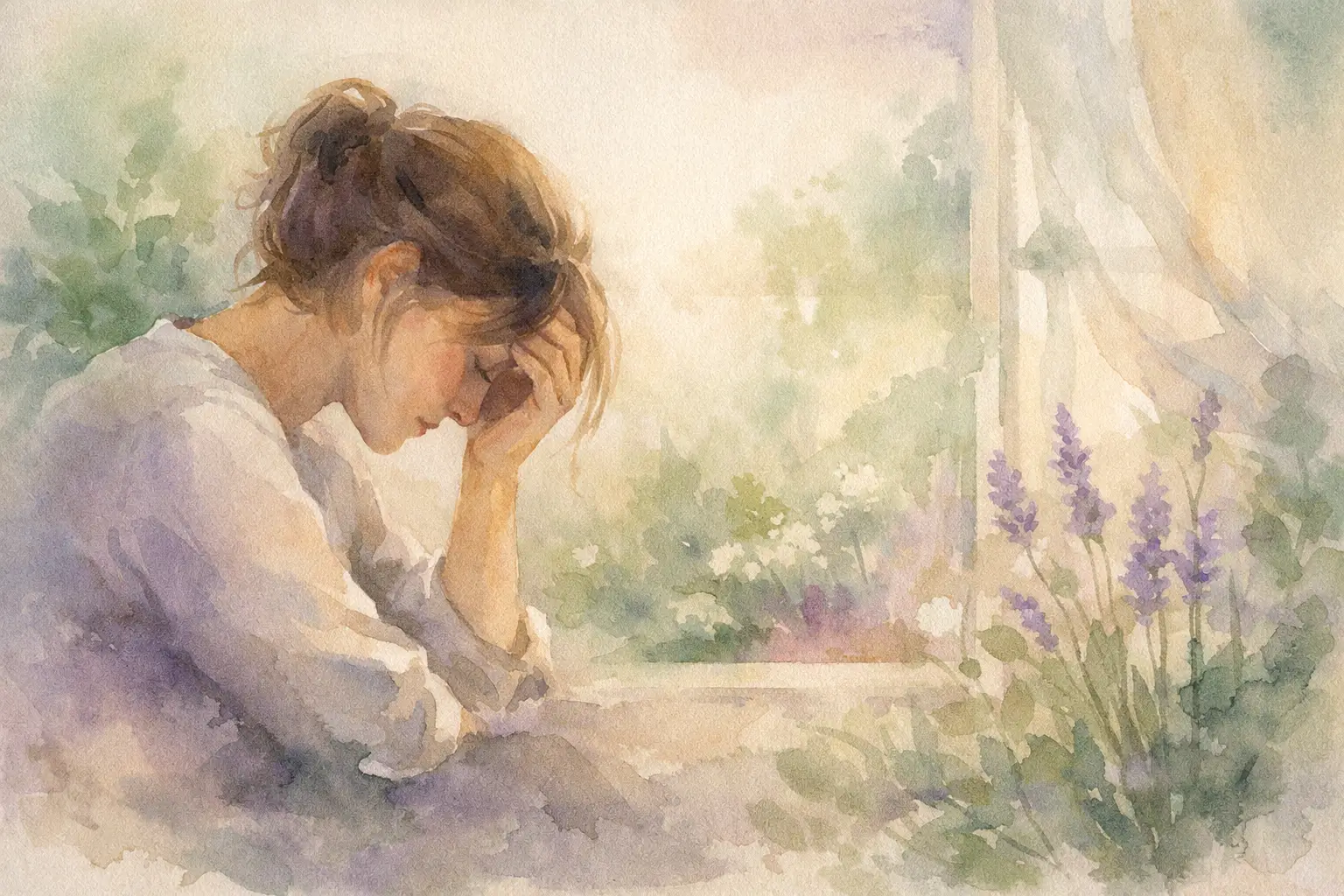
Some caregivers first notice burnout not in their body, but in the way their heart begins to change. The caregiver burnout emotional symptoms can be quiet at first. A shorter temper. A strange numbness during moments that used to move you. Guilt for wanting one uninterrupted hour to yourself. If you have found yourself feeling unlike yourself while caring for an aging parent or loved one, you are in the right place.
Caregiving often asks for a kind of devotion that has no clean edges. You may be managing appointments, meals, medications, safety concerns, family dynamics, and your own household while also carrying the ache of role reversal. Love is present, but so is weariness. When emotional strain builds slowly, it can be hard to recognize that what you are feeling is not a personal failure. It is a sign that too much has been held for too long.
Why caregiver burnout emotional symptoms are easy to miss
Many people expect burnout to look dramatic. They imagine collapse, crisis, or a moment when everything becomes obviously unbearable. More often, emotional burnout arrives in softer clothing. It looks like going quiet when you used to be patient. It looks like resentment that surprises you. It looks like moving through the day on autopilot, meeting every need except your own interior life.
Caregivers also miss these signs because devotion can disguise distress. When the person you love needs help, your feelings may feel secondary, even inconvenient. You may tell yourself this is just a hard week, a hard season, a hard month. Sometimes that is true. Sometimes the season has stretched so long that your emotional world has begun to flatten, tighten, or fray.
There is also grief in this. Not only grief for what may be changing in your parent or loved one, but grief for your own life as it used to be. The freedom to be spontaneous. The version of your relationship that felt more mutual. The ordinary ease of not always being on alert. That grief does not always cry loudly. Sometimes it turns into irritation, disconnection, or a tenderness that feels bruised.
The emotional symptoms that often come first
One of the clearest signs is irritability. You may feel annoyed by small requests, by repeated questions, by noises, interruptions, or other family members who seem less affected than you are. This can be especially painful if patience has always been part of your identity. Irritability does not mean you love less. It often means your nervous system has had very little room to soften.
Another common shift is emotional numbness. Some caregivers describe this as going blank. You are still doing what needs to be done, but your feelings seem far away, as if your inner life has been muted for survival. Numbness can be confusing because it does not look like distress from the outside. Yet it is often a sign of profound overwhelm.
Guilt also runs through the caregiving experience with startling force. You may feel guilty for being tired, for imagining a different life, for needing space, for doing too little, for doing too much, for getting it wrong in ways no human could avoid. This kind of guilt can become so constant that it begins to sound like truth. It is not truth. It is often the voice of impossible expectations settling into the heart.
Sadness can be present too, though not always in a way that looks like open weeping. It may feel like heaviness, dread at the start of the day, or a quiet sense that joy has become harder to access. You may stop reaching for things that used to steady you because even pleasure begins to feel like effort.
For some people, anger rises more easily than sadness. Anger at siblings. Anger at the healthcare system. Anger at the unfairness of watching someone decline. Anger at the endlessness of tasks. Anger can feel frightening, especially in loving families, but it often protects more vulnerable feelings underneath, including fear, helplessness, and sorrow.
Anxiety is another emotional symptom that often gets folded into caregiving and normalized. You may feel constantly on edge, scanning for the next problem, unable to fully rest even when nothing urgent is happening. Your mind may rehearse worst-case scenarios or circle around details late into the night. This kind of vigilance can make calm feel unfamiliar.
When love and resentment live side by side
This is one of the hardest truths for caregivers to say out loud. You can love someone deeply and still resent what the caregiving role is asking of you. You can feel honored to be there and also feel trapped by the constancy of need. You can know your parent did not choose this and still ache for your own time, privacy, and ease.
These mixed feelings are not evidence that your heart is hardening. They are evidence that you are human. Emotional burnout often grows in the space where people believe they should only feel gratitude, tenderness, or strength. Real caregiving contains devotion and frustration, closeness and loneliness, meaning and depletion. When there is no room to admit the whole truth, the emotional load becomes heavier.
If this tension lives in you, try not to judge it too quickly. Resentment is often information. It may be telling you that your boundaries are thin, your support is too light, or your life has narrowed beyond what is sustainable.
What caregiver burnout emotional symptoms can do to your relationships
Emotional burnout rarely stays contained. It can shape the tone of your conversations, the stories you tell yourself, and the way you receive care from others. You may become more withdrawn because explaining your inner state feels exhausting. You may snap at a partner, avoid friends, or feel unseen by siblings who are not carrying the same weight.
Sometimes burnout creates isolation even in a full house. The person needing care may be physically close to you all day, yet you may feel emotionally alone in the experience. This kind of loneliness is tender and disorienting. It deserves language, not shame.
Your relationship with the person you care for can also shift under emotional strain. You may become more task-focused and less relational. Conversations get shorter. Tenderness feels harder to access. This can bring another layer of grief, because many caregivers long not only to help, but to stay connected in a loving way. When burnout is present, that connection can feel harder to reach.
Gentle ways to respond before you reach your edge
Not every season allows for dramatic change. Sometimes you cannot step away in the ways you wish you could. Even so, emotional support does not have to begin with a perfect plan. It can begin with honesty.
Start by naming what is true in plain language. You might write, I feel numb lately. I feel angry more than I want to. I feel guilty every day. I miss my own life. This kind of naming is not indulgent. It is a way of returning to yourself.
It can also help to create one small ritual that belongs only to you. Not a performance of wellness, just a steady place to land. A cup of tea before anyone else is awake. Five minutes with a journal after a hard interaction. Sitting in your car and placing a hand over your chest before you walk inside. These moments will not erase burnout, but they can remind your body that you still exist within the caregiving role.
If there is someone safe in your life, let them hear the uncured version of what this is like. Not the polished update. The real one. The one that says you are tired in your spirit, not just your schedule. Being witnessed with tenderness can loosen the grip of shame.
You may also need to notice what reliably pushes you closer to the edge. Repeated family conflict, lack of sleep, no time alone, constant decision-making, or carrying every responsibility without pause can all intensify emotional symptoms. Awareness does not solve everything, but it gives you clearer ground to stand on.
At wearelovewins, we believe caregiving deserves more than efficiency. It deserves language, reflection, and a space held with love. Sometimes the most healing thing is not advice, but permission to tell the truth about how heavy and holy this season can be.
If caregiver burnout emotional symptoms are showing up in your days, let that be something you listen to with compassion. Your anger, numbness, grief, and guilt are not signs that you are failing at love. They may be signs that love has been carrying too much alone, and that you deserve care sturdy enough to hold you too.