A Care Package for a Grieving Friend That Helps
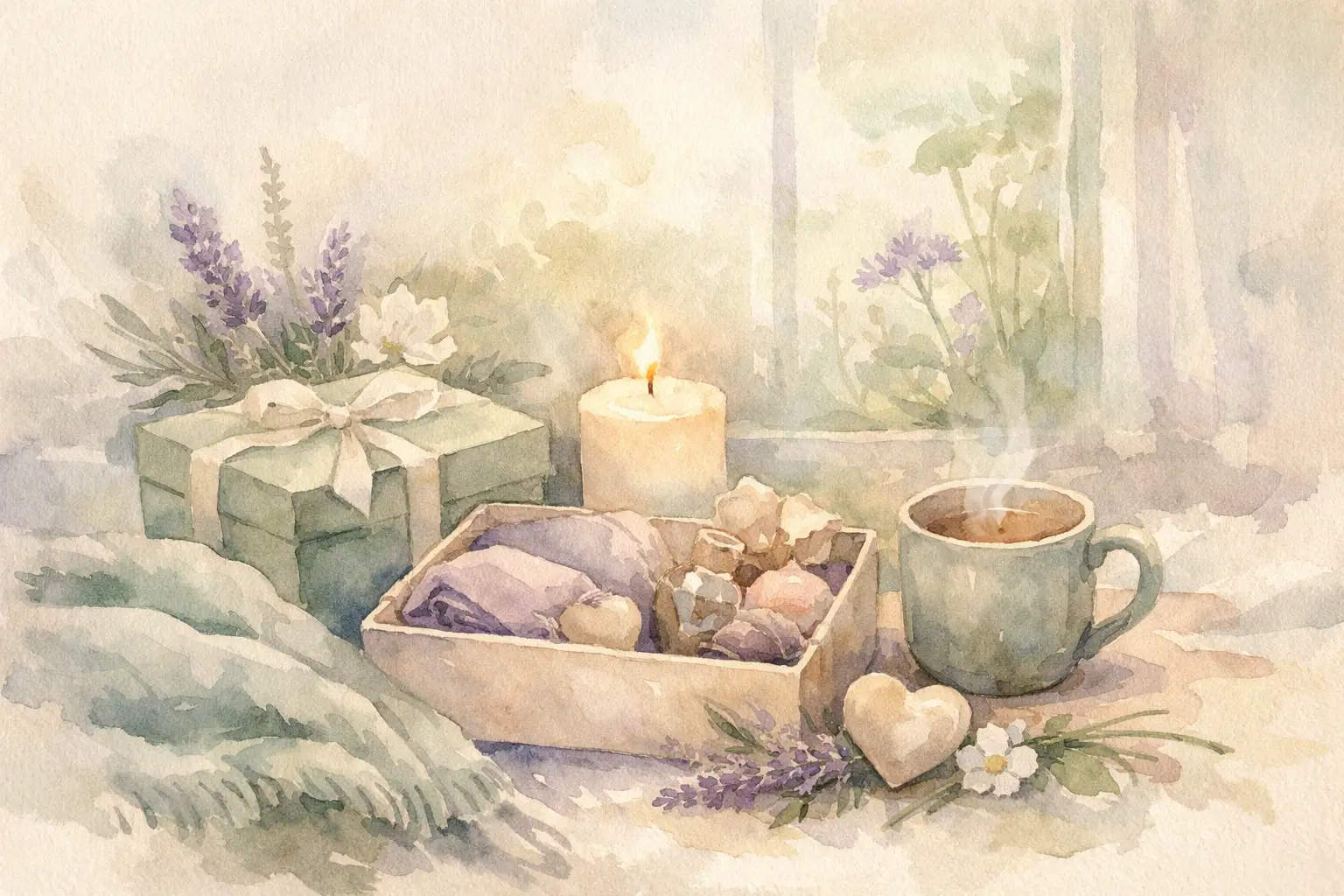
A care package for a grieving friend can be one small way of saying, “I know the days may feel strange right now, and I’m here.” Grief often changes the texture of ordinary life. A text may feel hard to answer. Choosing a meal, finding clean socks, or remembering what is needed at the store can ask more of someone than they have to give. A thoughtfully gathered package does not need to make grief lighter to be meaningful. It can simply make one corner of the day feel cared for.
The most comforting packages carry very little pressure. They do not ask your friend to be grateful, inspired, productive, or ready to talk. They offer gentle usefulness, warmth, and a reminder that they do not have to carry every detail alone.
Begin with the person, not the occasion
Before choosing what to include, pause with what you know about your friend. Are they someone who finds comfort in a warm drink at the end of the day? Do they tend a garden, keep a journal, take long walks, or care for children while trying to make sense of a loss? The most resonant care is usually personal in quiet ways.
Loss also has its own context. Someone grieving a parent may be carrying memories from childhood alongside the responsibilities of sorting through a changed family life. Someone mourning a partner, sibling, friend, or beloved elder may be facing an absence woven through daily routines. And anticipatory grief, when a loved one is declining or becoming less themselves, can be especially lonely because the world may not recognize it as grief at all.
You do not have to fully understand their experience in order to offer steadiness. Let the package reflect who they are, rather than what grief is supposed to look like.
What to put in a care package for a grieving friend
A useful package often holds a balance of practical comfort and emotional permission. Think of items that can be received without effort, used without ceremony, or saved for a harder day. A beautiful box is lovely, though a simple bag left at the door can hold just as much love.
Consider including a few things from these four areas:
- Nourishment: familiar tea, coffee, easy snacks, a comforting soup or meal, or ingredients for a simple breakfast. Choose what suits their tastes and household needs, not what seems universally soothing.
- Rest and physical comfort: soft socks, a small blanket, unscented balm, a heating pad, or a sleep mask. Grief can make the body feel tender and unsettled, and tactile comfort asks nothing in return.
- A little ease for the home: dish towels, paper goods, a candle if you know they enjoy fragrance, or a gift card for groceries or a local meal. These offerings can quietly soften the friction of daily care.
- A place for feeling: a blank notebook, a gentle reflection journal, a favorite poem copied by hand, or a set of conversation prompts they can use now or much later.
There is no need to include everything. In fact, a smaller collection often feels more intentional. Three or four well-chosen items can be enough to say, “I remembered what might help you get through this afternoon.”
Choose comfort without creating another task
The best gifts are low-demand. A complicated craft kit, a novel about grief, or an elaborate wellness routine might be right for a particular person, but they can also become one more unopened thing waiting for energy that has not returned yet.
If you include a journal, let it be blank or gently guided rather than demanding daily completion. If you send food, make it easy to store and easy to share. If you bring flowers, consider adding a practical item too, because beauty matters and so does having something to eat when the refrigerator feels empty.
A care package can also acknowledge the people around your friend. If they are caring for an aging parent while grieving the gradual changes in that relationship, something simple for the household can be deeply considerate. A few snacks for long appointments, a warm wrap, or note cards for the words that are hard to say can honor the devotion woven into their days.
The note may be the most lasting part
Many people hesitate over what to write because they are afraid of saying the wrong thing. That hesitation comes from care, but silence can leave a grieving person alone with the feeling that their loss has made others uncomfortable. You do not need perfect language. You need language that is true, spacious, and free of expectation.
Try naming the person who has died or the season your friend is living through. “I’ve been thinking about your dad and the way you light up when you tell stories about him” can feel more tender than a general statement of sympathy. If their grief is anticipatory or complicated, you might say, “I know you have been carrying so much while your mom changes. I’m holding space for the love and the exhaustion of it.”
Then offer one specific form of presence. Rather than writing, “Let me know if you need anything,” try, “I’ll leave dinner at your door on Thursday,” or, “I’m free to sit with you Sunday afternoon, whether you want to talk or watch something familiar.” Specificity gives them less to organize when organizing feels impossible.
Keep the note free from silver linings. Phrases about everything happening for a reason or time healing all wounds can land heavily, even when they are meant kindly. Grief does not need to be made meaningful on demand. It needs room.
Make your support continue after the package arrives
A package is a beautiful beginning, though the days after a loss are often when support grows quieter. The first wave of messages passes, routines resume for everyone else, and the grieving person may be left with a home that feels newly altered.
Create a gentle reminder for yourself to reach out again. You might send a short message in two weeks: “No need to reply. I’m thinking of you today.” On a birthday, anniversary, holiday, or the first change of season after the loss, say their loved one’s name if you can. Remembering is a form of companionship.
It also helps to let your friend lead. Some people want company and stories. Others need a porch drop-off, a voice note, or a quiet check-in that asks nothing back. Their needs may change from one week to the next. Staying flexible is one of the kindest things you can offer.
A small ritual can hold what words cannot
If your friend is open to it, add an invitation to a simple ritual. This should be an offering, never an assignment. You might tuck in a card that says, “When you want to, make a cup of tea and tell me one thing you miss.” Or offer to light a candle at the same time from your own home, each of you holding a few quiet minutes for the person they love.
For those caring for a living parent or loved one through a season of change, a ritual may take another form. It could be writing down one memory after each visit, saving a familiar recipe, or taking a photograph of an ordinary shared moment. These practices do not preserve everything. They give love somewhere to rest.
At wearelovewins, we believe the tender work of caregiving and grief deserves language, beauty, and room to breathe. A care package can become part of that room, especially when it says less about fixing pain and more about staying close to it with someone.
Send what you can offer sincerely, then remain nearby in the ways that feel possible. Your friend may not remember every item in the package, but they may remember that, in a season when life felt unfamiliar, someone made a little space held with love.